Picture a leave request in a typical Lagos office. Someone sends a WhatsApp message to their manager. The manager checks a spreadsheet to see who else is off, replies "OK", then forwards the message to HR. HR types it into another spreadsheet. At the end of the month, someone reconciles the two.
The obvious AI project is a bot that reads the WhatsApp messages and fills in the spreadsheets. It would work. It would also lock in every bad habit of the old process, at machine speed.
Automating a broken process just breaks it faster.
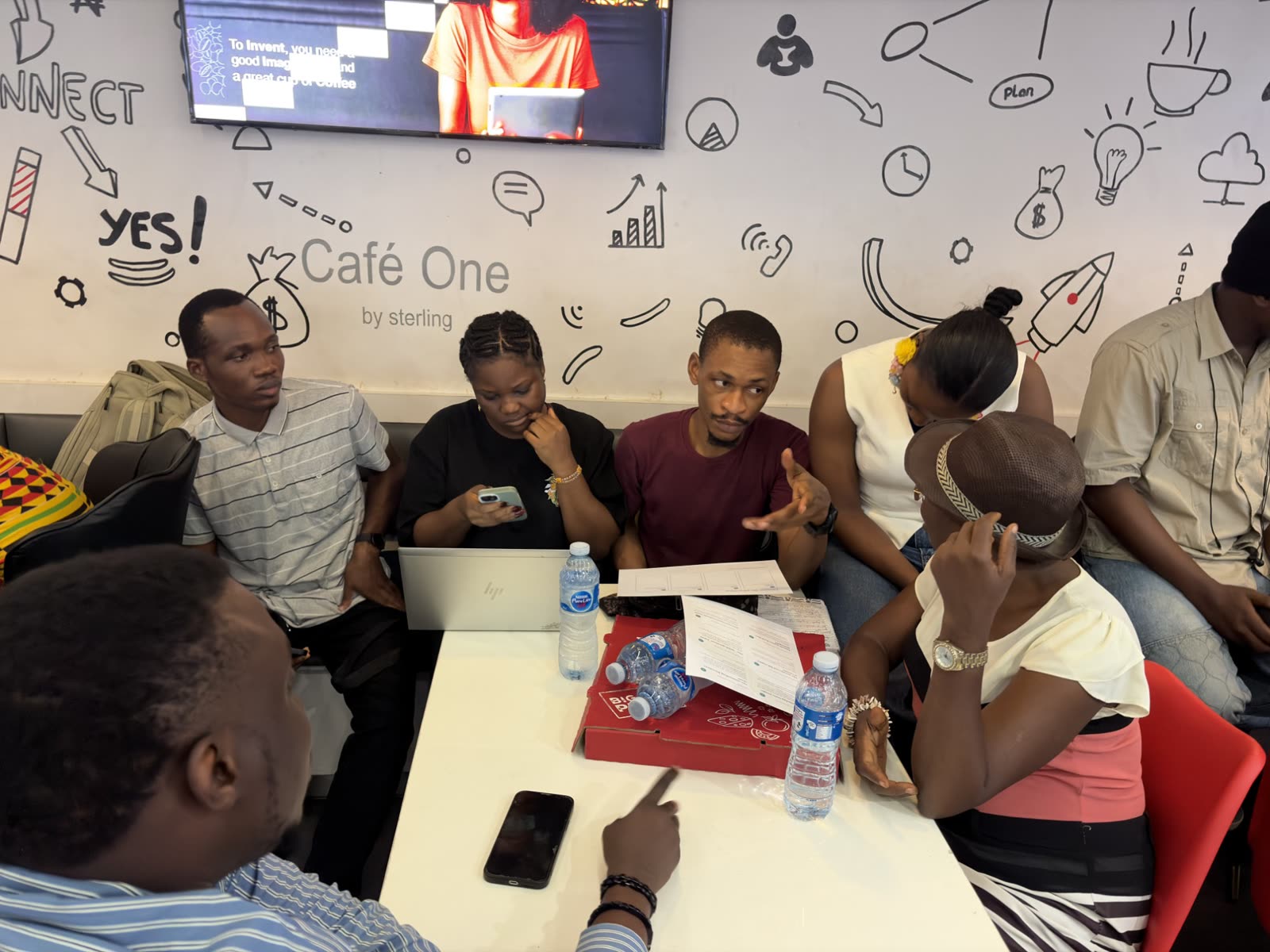 Teams working through a real process at a Builda workshop session in Lagos.
Before you design any automation, we ask teams to fix the work first. That means three questions, in order.
1. Can we eliminate this step?
The cheapest automation is a step that no longer exists. Ask of every step: who uses what it produces? If the honest answer is "nobody reads that report" or "we've always done it", stop doing it.
In the leave example, the month-end reconciliation only exists because there are two spreadsheets. Remove the second spreadsheet and the reconciliation disappears with it.
2. Can we combine steps?
Look for the same information being handled twice, by two people or in two places. Each hand-off is a chance for a mistake and a wait.
Here, the manager checks availability and HR records the leave. Both work from the same facts. One shared record, which the manager approves against and HR reads from, combines them.
3. Can we simplify what's left?
Now make the remaining steps as plain as possible. Replace free-text messages with a short form: name, dates, type of leave. Give the manager a single yes or no. Write down the rule they use, such as "approve if fewer than two people in the team are already off."
That rule matters. Once it's written down, it's obvious which part could be automated and which part still needs a person's judgement.
Then, and only then, design the automation
After those three questions, the leave process is a form, one record and a clear rule. Automating that is small, cheap and easy to trust. Automating the original would have been large, fragile and hard to explain.
This is the first step of the method we teach in the Builda workshop: Fix, Design, Control, Rank. Teams take a real process from their own work, strip it back, and only then design the automation that's worth building.
What it looks like in the room
We teach this as a game. Teams sit around a real process from their own work, with printed case cards and a five-slot design canvas on the table and the AI coach on their phones. Before anyone is allowed to design an automation, the team has to answer the three questions above: what they would eliminate, combine and simplify.
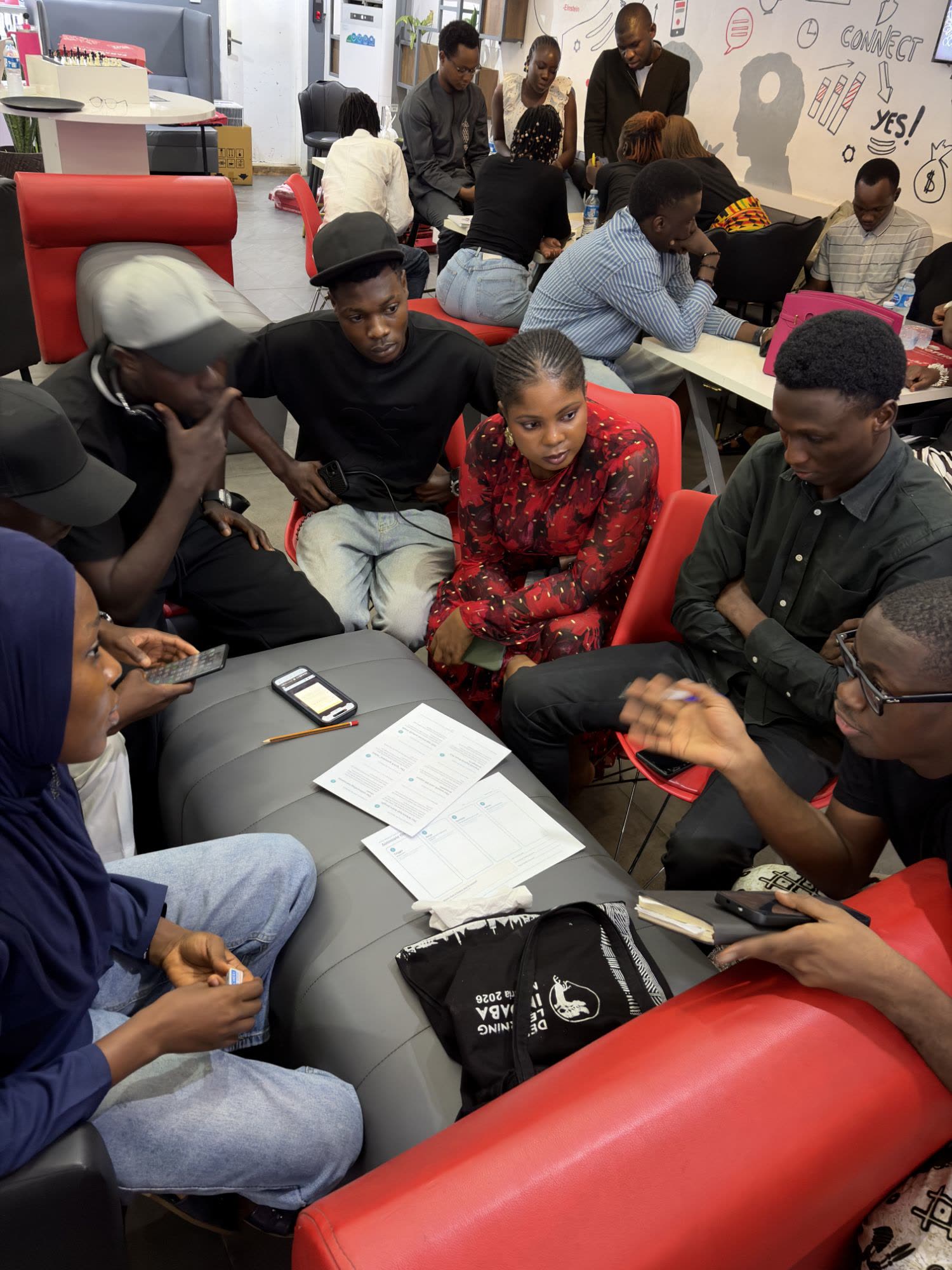 Fix first: each team strips the process back before designing anything.
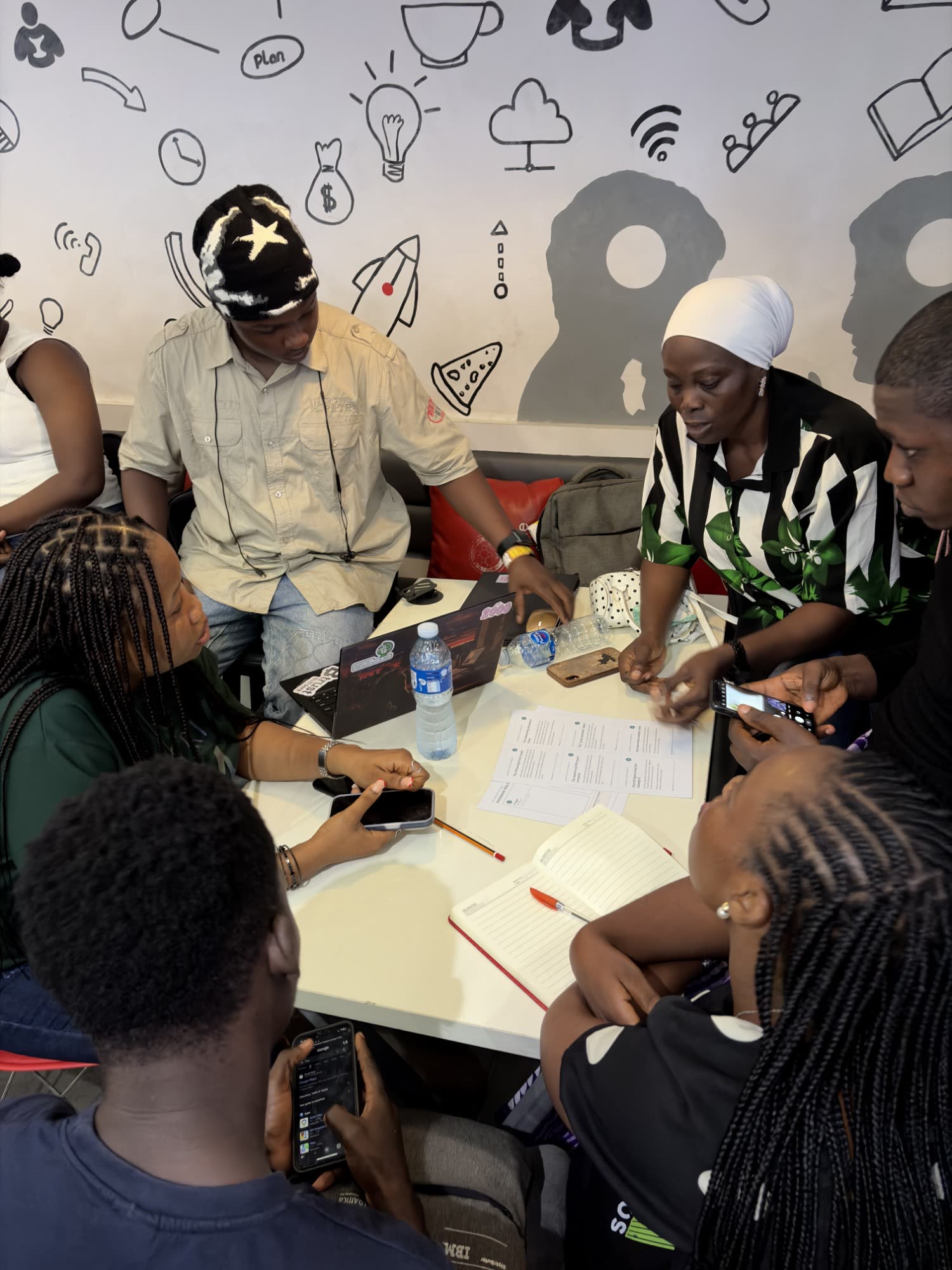 Then the canvas: what starts it, what's decided, what happens, and who stays in control.
It's usually the loudest part of the session. Someone explains how the work really gets done, someone else asks why a step exists at all, and the process on the card gets shorter before a single automation is drawn.
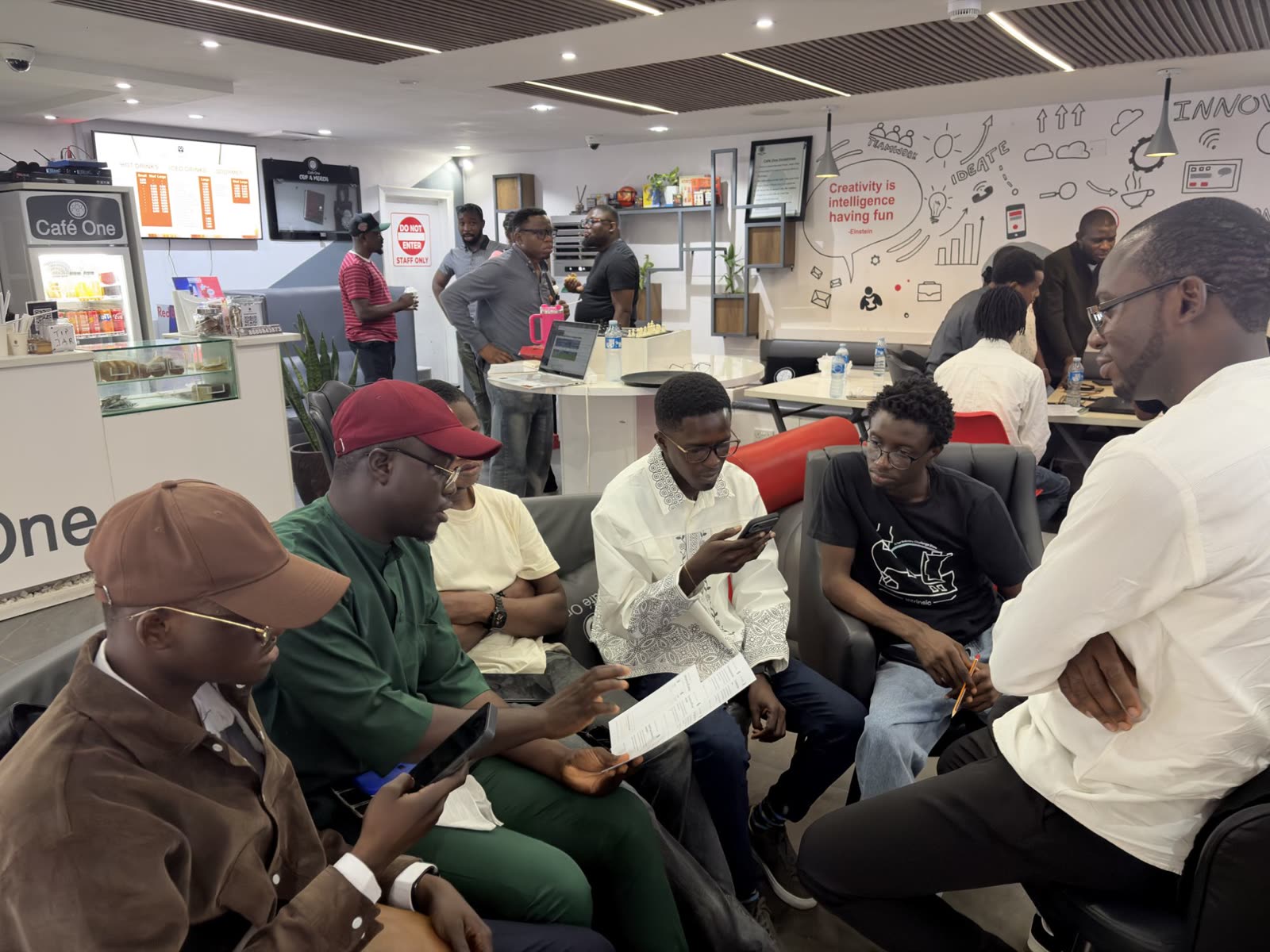 Every team works on a different case, then compares notes at the reveal.
How the game is built
Each round of the game is one pass through our four-step method, and each step borrows from a framework that has been tested elsewhere: Lean's "eliminate, combine, simplify" for Fix, the AI Canvas (from the economists Agrawal, Gans and Goldfarb) for Design, and the human-in-the-loop model used in automation and AI governance for Control.
- The cards. Every team gets a case card: a real, messy process from a business function such as HR, finance or customer service, written the way people actually describe their work. Leave requests over WhatsApp. Invoices chased by phone. The same report built by hand every Friday.
- Fix it first. Before designing anything, the team spends a few minutes deciding what they would eliminate, combine or simplify. Only the leaner process moves on.
- Design on five slots. The automation goes on a canvas with five slots: the trigger (what starts it), the steps (what information is gathered), the decision (what gets decided, and is it a fixed rule or does it need AI?), the action (what gets done automatically) and control (how much a person stays involved).
- The coach. An AI coach on each team's phone asks questions about weak slots. It never gives the answer. Hints are limited, so teams think before they ask.
- The twist. Halfway through, something changes: a new rule, a system goes down, a risk appears. Teams adapt their design on the spot, just as they would at work.
- Rank. Each team scores its automation on three questions: is it worth it, are we ready, is it risky?
- The reveal. Each design is compared, slot by slot, with a reference solution on the big screen. Awards go to the top design, the best control and the best call on rule versus AI.
- Commitments. Everyone leaves with one next step they've committed to.
What teams take away
The game is fun, but the point is what's left when it ends:
- A shared language. Trigger, decision, control: after one session, a whole team can describe an automation the same way, which makes the conversation with IT or a vendor much shorter.
- The habit of fixing first. Teams stop asking "can AI do this?" and start asking "should this step exist?"
- Judgement about AI. Telling a rule apart from a real judgement call is the most useful skill in the room. Most steps turn out to need a simple rule, not AI.
- A ranked opportunity map. The business gets a report of every automation the teams designed, sorted into quick wins, strategic bets, things to fix first and things to park.
- A head start on building. Strong designs can be turned into starter workflows in n8n, so the best ideas don't stay on paper.
A quick checklist
Before your next automation project, walk the process with the people who do it and ask:
- Which steps could we stop doing entirely?
- Where is the same information handled twice?
- Which decisions follow a rule we could write down?
- What would the process look like if we designed it today, from scratch?
If the answers change the process, change the process first. The automation will be better for it.
Want to play the game with your team, or join the next open session? Book a discovery call, or follow @n8n_lagos on Instagram for upcoming sessions.